Explore seven profound books that delve into the intricate workings of the human mind, challenging your perceptions and offering deep insights into decision-making, emotions, and the pursuit of meaning. This curated list provides powerful frameworks for understanding yourself and the world around you, with each book offering a unique lens on psychological phenomena.
1. Thinking, Fast and Slow

Thinking, Fast and Slow — Daniel Kahneman
Your brain operates on two systems: System One, which is fast, automatic, and emotional, and System Two, which is slow, deliberate, and logical. System One largely drives most decisions, with System Two often rationalizing them afterward. Understanding these systems reveals the invisible shortcuts your brain takes, helping you make more conscious choices.
Who it’s for. Anyone who has made impulse purchases, misjudged others, or talked themselves into bad decisions.
What to do with it. Before any major decision, pause and ask yourself which system is speaking right now.
Full page on “Thinking, Fast and Slow”: who it’s for and when to read it
2. Sapiens: A Brief History of Humankind
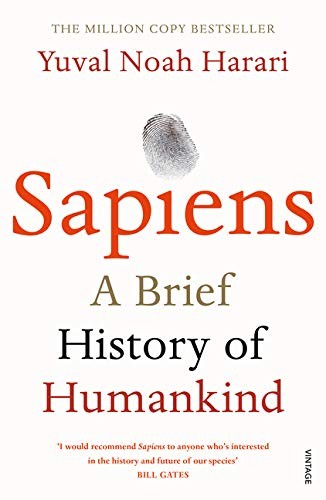
Sapiens: A Brief History of Humankind — Yuval Noah Harari
Homo sapiens dominate the planet not due to superior intelligence or strength, but because of our unique ability to believe in shared fictions like money, nations, and religions. These collective beliefs form the operating system of human civilization. This book transforms frustration into clarity by showing that much human conflict stems from collisions between competing fictions mistaken for objective reality.
Who it’s for. Anyone confused by modern society, politics, social media hysteria, or the formation of mobs.
What to do with it. Identify the invisible stories you personally believe without questioning.
Full page on “Sapiens: A Brief History of Humankind”: who it’s for and when to read it
3. Man’s Search for Meaning

Man’s Search for Meaning — Viktor E. Frankl
Even in the most brutal conditions, a person with a reason to live can endure almost anything. Frankl’s logotherapy posits that meaning, not pleasure, is the deepest human motivation. It demonstrates that suffering with meaning can become fuel, while suffering without it is unbearable.
Who it’s for. If you feel numb, directionless, or have achieved success without satisfaction.
What to do with it. Write down three things your life is currently in service of, focusing on reasons rather than goals.
4. Influence: The Psychology of Persuasion
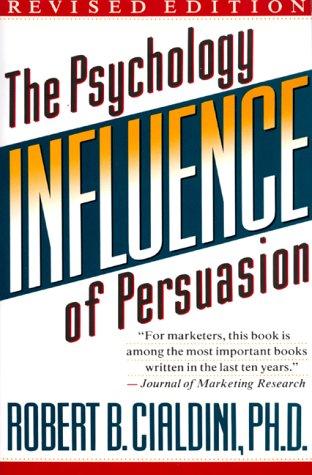
Influence: The Psychology of Persuasion — Robert B. Cialdini
Cialdini identified six master principles—reciprocity, commitment, social proof, authority, liking, and scarcity—that invisibly trigger human compliance. These principles are constantly at play in advertising, social media, and political messaging. Understanding these triggers helps you avoid being controlled by them and recognize how persuasion works in daily life.
Who it’s for. Everyone, as every person is constantly being influenced.
What to do with it. Study reciprocity first; notice the urge to give back when someone gives you something.
Full page on “Influence: The Psychology of Persuasion”: who it’s for and when to read it
5. The Body Keeps the Score
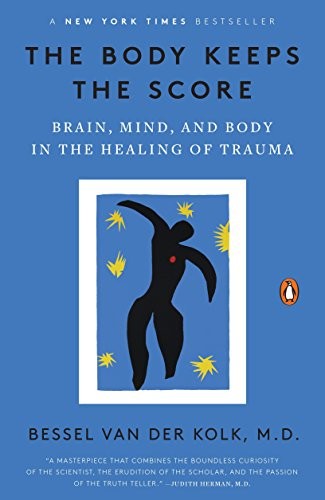
The Body Keeps the Score — Bessel van der Kolk
Trauma is not just a memory in the mind; it is a physical state trapped in the body. The nervous system encodes shock, fear, and helplessness into muscle, posture, and breath, where it remains until addressed. This book offers a radical perspective on healing, highlighting that practices like yoga, breathwork, and somatic therapy are essential medicine for trauma.
Who it’s for. If you feel anxious for no reason, freeze in safe situations, or react from a version of yourself you don’t recognize.
What to do with it. Start with your breath today, recognizing that healing trauma requires the body, not just the mind.
Full page on “The Body Keeps the Score”: who it’s for and when to read it
6. Flow: The Psychology of Optimal Experience

Flow: The Psychology of Optimal Experience — Mihaly Csikszentmihalyi
The optimal human experience, or ‘flow,’ occurs when time disappears, self-consciousness vanishes, and actions feel effortless. This state, found at the intersection of high challenge and high skill, is consistently linked to genuine happiness. It reframes happiness, showing that flow, not leisure or pleasure, is the mental state most crucial for well-being.
Who it’s for. If you spend your days distracted, restless, and chronically understimulated despite being constantly busy.
What to do with it. Identify one activity in your life where you regularly lose track of time and protect it.
7. The Man Who Mistook His Wife for a Hat

The Man Who Mistook His Wife for a Hat — Oliver Sacks
Neurologist Oliver Sacks documented extraordinary neurological conditions, revealing how the brain constructs reality. These cases demonstrate that consciousness itself is a story the brain tells, raising questions about the accuracy of our own perceptions. This book forces the uncomfortable question of how certain we can be about our own reality if damaged brains construct convincing, yet false, realities.
Who it’s for. Anyone curious about the brain’s limits and the nature of reality.
What to do with it. Approach your own perceptions with radical humility, recognizing that what you see is your brain’s best guess, not objective reality.
Not sure what order to read them in? Get The 1% Reading Path: 20 books in the exact order to read them, free PDF.