If you want the best self improvement books, not just the most popular self help books, start here: each pick is explained by the change it produces. Finding self-improvement books that actually work can feel like searching for a needle in a haystack. The internet is flooded with lists, many of which lack genuine criteria or depth, leaving you overwhelmed and unsure where to invest your valuable time and energy. It’s easy to pick up a book with a catchy title, only to find its advice superficial or irrelevant to your real challenges.
At The 1% Library, we believe in recommending self-improvement books that offer profound insights and actionable strategies. Every book in this guide has been featured on our YouTube channel, chosen specifically for its impactful content and its ability to genuinely transform lives. We’ve distilled the core lessons from our video discussions to provide you with concise, powerful summaries.
This guide is designed to cut through the noise. For each book, you’ll find a brief overview of its central idea, why it’s effective, and who stands to benefit most from reading it. Use this resource to identify the self-improvement books that resonate with your current goals and challenges, helping you make informed choices on your journey to personal growth.
How to choose well among so many self-improvement books
A truly effective self-improvement book goes beyond surface-level motivation. It provides a robust framework for understanding human behavior, offers actionable strategies, and often challenges conventional wisdom. The best books in this genre don’t just tell you what to do; they explain the underlying principles and help you cultivate a mindset for lasting change.
A common mistake when choosing self-improvement books is falling for quick fixes or overly simplistic promises. Many people pick books based on popularity or a desire for instant results, only to find the advice lacks depth or is not sustainable. It’s crucial to look for books that address root causes, encourage self-reflection, and empower you to build systems for long-term transformation, rather than just offering temporary boosts.
The self-improvement books we recommend, one by one
1. Man’s Search for Meaning by Viktor E. Frankl

Man’s Search for Meaning — Viktor E. Frankl
Viktor Frankl, a Holocaust survivor, observed that a sense of purpose was crucial for survival in extreme conditions. This book offers a clinical observation from the most extreme human laboratory, providing a brutally simple yet profound takeaway on the necessity of meaning. It argues that suffering is not the worst thing a person can experience; living without meaning is.
See it on Amazon · full page: who it’s for and when to read it
2. The 7 Habits of Highly Effective People by Stephen R. Covey
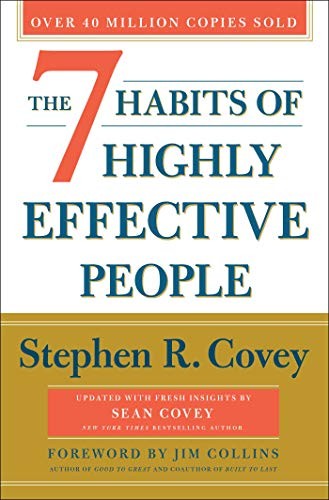
The 7 Habits of Highly Effective People — Stephen R. Covey
This book presents seven habits that enable individuals to proactively lead their lives, rather than merely reacting to circumstances. It argues that true effectiveness stems from character-based principles, not personality tricks. It offers a comprehensive system for self-improvement based on timeless principles, promising to help you gain real power over your life and achieve genuine success.
See it on Amazon · full page: who it’s for and when to read it
3. Atomic Habits by James Clear

Atomic Habits — James Clear
Lasting change comes from identity-based habits, not outcome-based goals. Every small action is a vote for the person you want to become, and effective systems are more crucial than willpower. This book provides a clear framework for understanding why habits fail and how to build ones that genuinely stick, leading to significant personal transformation over time. It’s for anyone who has struggled to stick to new routines or felt stuck in a cycle of self-sabotage.
4. The Seven Habits of Highly Effective People by Stephen R. Covey
The Seven Habits of Highly Effective People — Stephen R. Covey
While Carnegie teaches influencing others, Covey teaches self-mastery. Most people react to life instead of designing it, and character, not personality, creates lasting success. The most powerful habit is to begin with the end in mind, ensuring every decision aligns with a clear vision of who you are becoming. It remains one of the top-selling self-help books in history because it addresses the root cause of failure: reacting to life instead of designing it.
5. Can’t Hurt Me by David Goggins

Can’t Hurt Me — David Goggins
David Goggins overcame an abusive home, learning difficulties, and obesity to become a decorated endurance athlete. The idea is that you are operating at roughly forty percent of your actual capacity, with the other sixty percent locked behind discomfort you have been avoiding. This book will make you deeply uncomfortable in the best way, showing that the wall you keep stopping at is not your limit. Push past discomfort to unlock your full potential.
See it on Amazon · full page: who it’s for and when to read it
6. The Courage to Be Disliked by Ichiro Kishimi & Fumitake Koga

The Courage to Be Disliked — Ichiro Kishimi & Fumitake Koga
Structured as a philosophical dialogue, this book introduces Adlerian psychology, asserting your past does not control you. It posits that you choose your behavior based on goals, and all problems are fundamentally interpersonal relationship problems. It provides a completely different framework for understanding human motivation and offers a path to build a life that is genuinely yours, free from the need for approval.
See it on Amazon · full page: who it’s for and when to read it
7. Meditations by Marcus Aurelius

Meditations — Marcus Aurelius
The core principle is that you control your response to events, not the events themselves. The space between stimulus and reaction is crucial for shaping your future. Written by a Roman emperor for his own reflection, this book offers timeless wisdom on self-mastery and resilience, a favorite of influential figures like Bill Gates. It’s for anyone who struggles with their reactions to negative situations and wants to gain control over their emotional responses.
See it on Amazon · full page: who it’s for and when to read it
8. Rich Dad Poor Dad by Robert T. Kiyosaki

Rich Dad Poor Dad — Robert T. Kiyosaki
This book challenges the conventional middle-class advice of ‘go to school, get a job, buy a house, be safe.’ It highlights the critical difference between assets and liabilities, emphasizing financial literacy over mere income. Assets put money in your pocket, while liabilities take money out. It destroys the most risky lie middle-class families teach their children and permanently changes how you see money. It’s for every young professional who bought a car on credit and calls it an investment.
See it on Amazon · full page: who it’s for and when to read it
9. Think and Grow Rich by Napoleon Hill

Think and Grow Rich — Napoleon Hill
The core idea is that a burning obsessive desire, crystallized into a definite plan and repeated daily as an affirmation, creates an almost mystical pull toward wealth. Hill calls this organized thought. The mastermind principle, involving surrounding yourself with people further along your desired path, is a valuable and effective strategy for growth and challenge. It’s for people who are already disadvantaged by systemic barriers—poverty, discrimination, lack of access—who are handed a book that tells them pure desire is sufficient.
See it on Amazon · full page: who it’s for and when to read it
10. Stolen Focus by Johann Hari
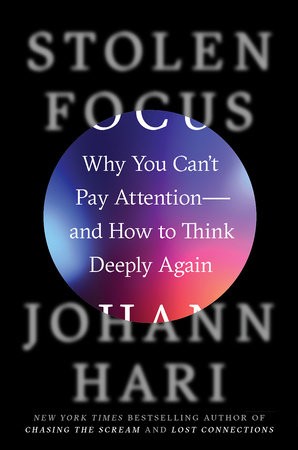
Stolen Focus — Johann Hari
Based on interviews with neuroscientists, psychologists, and Silicon Valley engineers, this book argues that your inability to concentrate is not a personal failure. It is the intended outcome of a system designed to extract your attention for profit. It exposes the systemic forces behind our diminishing attention spans, offering structural solutions to reclaim your focus rather than blaming individual willpower. It’s essential for anyone who sits down to read and checks their phone within four minutes, or starts a project and cannot complete a single hour without interruption.
Where to start
If you’re new to self-improvement books and wondering where to start, we recommend beginning with “Man’s Search for Meaning” for a foundational understanding of purpose, or “Atomic Habits” for an actionable framework on building lasting change. These books offer powerful insights that can set a strong foundation for your personal growth journey.
Remember, reading self-improvement books is only the first step. The true power lies in applying the lessons and integrating them into your daily life. Knowledge without action is merely potential. Commit to experimenting with the ideas presented, reflecting on your experiences, and consistently working towards becoming the best version of yourself.
Our lists on this topic
- 10 Books That Will Make You Addicted to Reading
- 7 Rules From The Prince You Can Use Today
- THE COURAGE TO BE DISLIKED by Ichiro Kishimi
- CAN’T HURT ME by David Goggins
- 10 Books to Read Before AI Changes Everything
- 10 History Books to Read If You Want to Be Disgustingly Educated
- MAN’S SEARCH FOR MEANING by Viktor Frankl
- THE BODY KEEPS THE SCORE by Bessel van der Kolk
Amazon links are affiliate links: if you buy through them, this site earns a small commission at no extra cost to you.