
Explore seven books that challenged the status quo, revealing truths about power, freedom, and the human spirit. These works were once suppressed, but their insights continue to resonate, offering profound perspectives on the world and ourselves.
1. The Prince

The Prince — Niccolo Machiavelli
This book exposes that real power operates by different rules than public morality. It argues that the appearance of virtue is more important than virtue itself, and leaders who survive are adaptable, not necessarily honest. It offers an honest description of political ruthlessness and the strategies used by those in power, providing a manual for understanding and protecting yourself.
Who it’s for. It helps anyone who has been blindsided by manipulative behavior, explaining how it works and how to protect oneself.
What to do with it. Understand the manual that explains how people maneuver against you.
2. On the Origin of Species
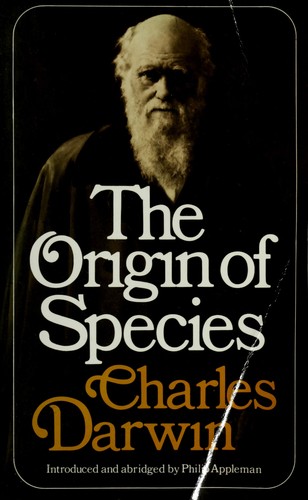
On the Origin of Species — Charles Darwin
Darwin’s transformative idea is that complexity does not require a designer, but rather time and pressure. Every living thing is the result of relentless, unsentimental selection. This book challenges conventional notions of creation and identity, urging readers to embrace challenges as a means of self-improvement and growth.
Who it’s for. It helps individuals seeking to shape their own identity and purpose.
What to do with it. Seek harder environments to become a stronger version of yourself.
Full page on “On the Origin of Species”: who it’s for and when to read it
3. 1984

1984 — George Orwell
This novel is a warning manual, predicting the modern world’s control mechanisms. It posits that the most powerful form of control is the manipulation of language and memory, as controlling words means controlling thought. It offers an urgent insight into how language manipulation can shape perception and control thought, making it crucial for understanding contemporary society.
Who it’s for. It helps anyone who wants to understand how control is exerted through language.
What to do with it. Pay obsessive attention to the language used around you in media, politics, and the workplace.
4. Animal Farm
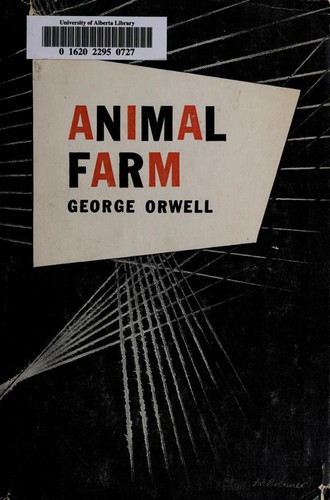
Animal Farm — George Orwell
This fable illustrates that revolutions often devour their own ideals. It shows that every system beginning with liberation can end in hierarchy, as power simply changes hands. It provides a simple yet precise explanation of how power dynamics shift after revolutions, making it a powerful commentary on political systems.
Who it’s for. It helps anyone who is promised a perfect system built on pure equality.
What to do with it. Look immediately at who is designing the rules when someone promises a perfect system built on pure equality.
Full page on “Animal Farm”: who it’s for and when to read it
5. Fahrenheit 451

Fahrenheit 451 — Ray Bradbury
The book suggests that a government doesn’t need to burn books if people simply stop reading them. The most effective censorship is self-imposed, choosing distraction over depth and entertainment over understanding. It serves as an uncomfortable reminder that personal choices regarding entertainment and information consumption can lead to a form of self-imposed intellectual confinement.
Who it’s for. It helps individuals who are concerned about their own engagement with knowledge and reflection.
What to do with it. Audit your screen time this week and compare it to the number of books you finished last year.
Full page on “Fahrenheit 451”: who it’s for and when to read it
6. Doctor Zhivago

Doctor Zhivago — Boris Pasternak
The transformative idea is that the individual human soul cannot be erased by ideology. No system, no matter how total, can abolish the private interior life of a person who refuses to surrender it. This novel asserts the enduring power of the individual spirit against totalitarian forces, emphasizing the importance of safeguarding one’s inner life.
Who it’s for. It helps anyone who wants to protect their inner world from external pressures.
What to do with it. Protect your inner world aggressively, including your private thoughts, aesthetic life, and capacity to love.
7. The Satanic Verses
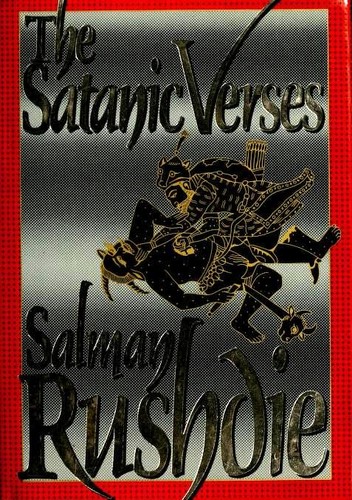
The Satanic Verses — Salman Rushdie
This book explores the idea that mythology, identity, and faith are not fixed, but rather stories constantly being rewritten by those with the power to narrate them. It questions who controls the sacred and the cost of asking such questions. It highlights the significance of questioning established narratives and the courage required to challenge powerful institutions, signaling that discomfort in a story is a signal, not a stop sign.
Who it’s for. It helps anyone who is uncomfortable with powerful institutions and wants to ask challenging questions.
What to do with it. Ask the questions that make powerful institutions the most uncomfortable.
Full page on “The Satanic Verses”: who it’s for and when to read it
Not sure what order to read them in? Get The 1% Reading Path: 20 books in the exact order to read them, free PDF.