Have you ever felt outmaneuvered in life, always ten steps behind? This summary of an ancient text offers a solution to help you think clearer, act smarter, and win battles you should be winning. You’ll discover core strategies to navigate competitive situations, whether at work, in negotiations, or in personal challenges.
1. The Art of War
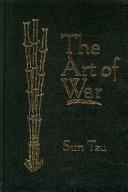
The Art of War — Sun Tzu
The book’s central idea is about winning without waste, emphasizing strategic planning, deception, timing, adaptability, and leadership to achieve victory with minimal effort and maximum impact. It teaches how to understand and manipulate situations to your advantage before direct conflict even begins. It’s a short read with enormous depth, offering principles that have been studied for over two millennia and are applicable across various domains to help you think clearer, act smarter, and stop losing battles you should be winning.
Who it’s for. It helps military generals, CEOs, athletes, world leaders, and anyone facing competitive situations in business, relationships, or high-stakes moments in life.
What to do with it. Before any big decision, honestly list your real advantages and weaknesses, without ego.
Full page on “The Art of War”: who it’s for and when to read it
The core ideas of “The Art of War”
War is decided before it starts
Sun Tzu emphasizes that victory is determined in the planning room, not on the battlefield. Before any move, assess five factors: moral cause, weather and environment, terrain, leadership, and discipline, for both yourself and your opponent. The side that does this more honestly and counts its advantages wins, avoiding the common mistake of rushing into action without proper assessment. For example, before a big decision, honestly list your real advantages and weaknesses, without ego.
All warfare is based on deception
This principle suggests controlling what your opponent sees to gain an advantage. If you are strong, appear weak; if moving, appear still; if near, appear far. This isn’t about lying, but about shaping the situation so your opponent locks into a false picture and stops adapting, allowing you to act decisively. An example is a general pretending to retreat to draw an enemy out of a fortified position, shifting the advantage. In competitive situations, don’t reveal your full hand or plans prematurely, as this gives others time to prepare against you.
Build momentum, then release
Sun Tzu’s concept of ‘shi’ refers to the energy, momentum, and timing that builds under the right conditions, like a fully drawn crossbow. Your role as a strategist is to engineer these conditions so that when you act, momentum is already with you, minimizing effort and maximizing impact. He compares it to rushing water carrying boulders due to momentum, not brute force. Stop forcing things when conditions are wrong; instead, read the situation, wait for momentum to build, and then release your action for maximum potential.
Win without fighting at all
The supreme form of skill is achieving victory without direct combat. This involves subduing the enemy by attacking their plans, isolating them diplomatically, or disrupting their logistics, rather than engaging their army directly. The goal is victory, not combat. For instance, before a confrontation, ask if you can outmaneuver them strategically to avoid the fight entirely, moving their position or removing their support so they cannot win.
Adaptability is the highest intelligence
Effective strategies are like water, having no fixed shape and adapting to obstacles and terrain. A winning general responds to the enemy and the situation, rather than adhering to a rigid plan. Flexibility is a strength, and locking into one approach because it worked before leads to defeat. Just as the five elements each dominate under different conditions, a commander must study the terrain, enemy, weather, and moment, and adjust accordingly. Notice when you are rigidly repeating a strategy; your only fixed principle should be adaptability itself.
Master your environment and leadership
Sun Tzu dedicates significant portions to understanding terrain, which is a metaphor for context. Different types of ground demand different responses; a one-size-fits-all strategy does not exist. Leaders also require wisdom, sincerity, benevolence, courage, and strictness in balance, as character is strategy. Furthermore, intelligence, or ‘foreknowledge,’ derived from real information and spies, is crucial for good decisions. You cannot lead well from ignorance; invest in feedback and know your team, competitors, and your own blind spots.
The Art of War, at its core, is about one thing: winning without waste.
Not sure what order to read them in? Get The 1% Reading Path: 20 books in the exact order to read them, free PDF.