
Have you ever wondered why you agree to things you didn’t want, or bought something you didn’t need? This analysis explores the psychological triggers that influence our decisions, revealing how certain people skillfully use these against us. You’ll discover the mechanisms behind persuasion and learn to navigate them more consciously.
1. Influence
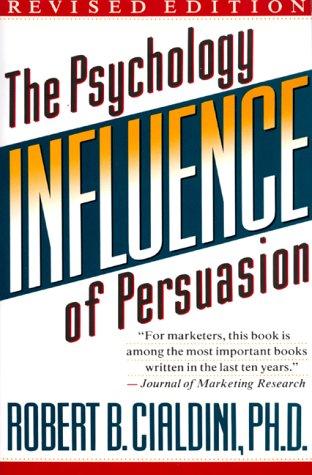
Influence — Robert Cialdini
This book explains the six psychological triggers that make people say yes, revealing how these principles are used to persuade us daily. Cialdini spent years researching and going undercover to understand how influence works in the real world. Reading this book will genuinely change how you perceive every sales pitch, negotiation, and request, empowering you to make more conscious decisions.
Who it’s for. It helps anyone who wants to understand why they make certain decisions, resist unwanted persuasion, and ethically use these principles themselves.
What to do with it. The book encourages you to pause and ask specific questions when encountering these influence tactics.
The core ideas of “Influence”
Reciprocity: The Obligation to Give Back
This principle states that if someone gives you something, you feel obligated to return the favor. It’s a powerful, hardwired force in human behavior that fosters cooperation but also creates vulnerability. Examples include receiving a free Coke and then buying raffle tickets, or accepting a free sample at a grocery store and feeling a pull to purchase something.
Commitment and Consistency: Staying True to Yourself
Once you make a small commitment, you feel internal pressure to remain consistent with that decision. This desire to appear and be consistent is tied to our identity. The ‘foot-in-the-door’ technique, where people agree to a small sign and then a large billboard, illustrates how initial small agreements lead to bigger ones.
Social Proof: Following the Crowd
When unsure, people look to others for guidance, assuming the crowd knows something they don’t. This mental shortcut can be exploited, as seen in the bystander effect where multiple people present in an emergency lead to less individual action. Examples include seeded tip jars, laugh tracks on TV shows, and advertisers claiming ‘bestselling’ products.
Liking: Saying Yes to Those We Favor
We are more likely to agree to requests from people we like. This liking can stem from physical attractiveness, similarity, compliments, familiarity, or association with enjoyable things. The success of Tupperware parties, where sales exploded because people bought from friends, highlights how personal connection overrides logical decision-making.
Authority: Deferring to Perceived Expertise
We are conditioned to follow authority figures, often deferring to symbols of authority like titles, uniforms, or expensive suits, even without actual expertise. Stanley Milgram’s obedience studies showed people administering painful shocks because a man in a lab coat told them to. Con artists and advertisers use these symbols to shortcut trust.
Scarcity: Valuing What’s Rare
We desire things more when they are perceived as rare or disappearing, driven by a psychological reactance to potential loss of freedom. A study showed cookies in a nearly empty jar were rated more desirable than those in a full one, demonstrating how availability, not quality, drives perceived value. Phrases like ‘only three left’ or ‘limited edition’ exploit this principle.
Persuasion isn’t magic, it’s mechanics, and anyone who learns these six levers can pull them.
Not sure what order to read them in? Get The 1% Reading Path: 20 books in the exact order to read them, free PDF.