Throughout history, certain books have been targeted by authorities because they dared to tell truths that challenged established power structures. This analysis explores seven such books, each offering profound insights into human experience, society, and the self. Discover the ideas that power couldn’t tolerate and the transformative messages these works hold for readers today.
1. All Quiet on the Western Front

All Quiet on the Western Front — Erich Maria Remarque
War is not glorious; it is the systematic destruction of the young by the old. The book devastatingly portrays the authentic experience of war, focusing on the face of a dying teenager in a shell crater. It will permanently change how you read headlines about conflict by revealing the true cost of war.
Who it’s for. This book is for anyone who has been given a narrative about sacrifice and felt something was missing from the story.
What to do with it. Never trust institutions that romanticize sacrifice.
2. The Interpretation of Dreams
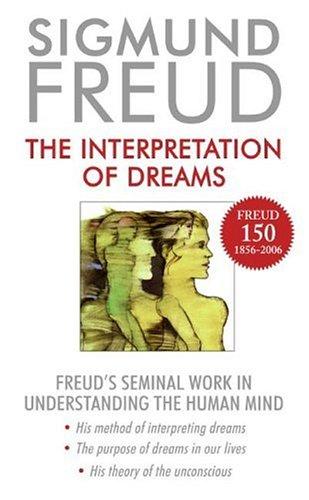
The Interpretation of Dreams — Sigmund Freud
The mind you are aware of is only a small part; beneath it runs a second mind that shapes your fears, desires, and choices without your permission. This unconscious mind is a powerful force in human behavior. Freud gave humanity a mirror that showed not the face we perform, but the face we hide, and that mirror is still accurate.
Who it’s for. This book is for anyone who has made the same mistake twice and couldn’t explain why, or who sabotages their own success and calls it bad luck.
What to do with it. Start paying attention to the images in your dreams and the patterns in your repeated failures — they are data, not noise.
3. Ulysses
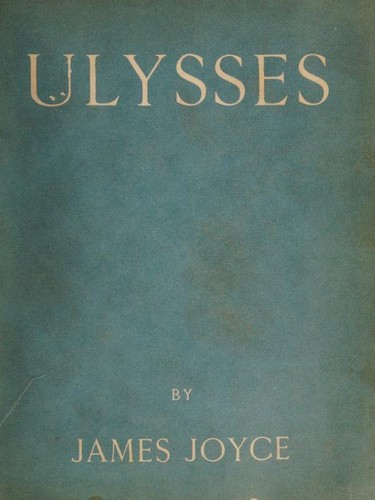
Ulysses — James Joyce
A single ordinary day, lived by an ordinary man, contains the full depth of human experience if you are willing to look closely enough. Joyce dismantled conventional storytelling to reflect the fragmented nature of human thought. Your life is already the material for profound understanding; this book encourages you to see its inherent richness.
Who it’s for. Anyone who has dismissed their own life as too small or too ordinary to matter needs this book most.
What to do with it. Depth is not found in extraordinary events — it is found in the quality of attention you bring to ordinary ones.
4. The Grapes of Wrath

The Grapes of Wrath — John Steinbeck
Systems that allow human beings to starve amid abundance are not natural; they are chosen. The book directly confronts the powerful, asking who benefits from the breaking of people. It exposes the moral questions the powerful never want answered, revealing the deliberate design behind systemic failures.
Who it’s for. This book is essential for anyone who believes poverty is primarily a failure of individual character.
What to do with it. The next time a system fails you, ask not what you did wrong, but who the system was actually designed to protect.
5. Slaughterhouse-Five

Slaughterhouse-Five — Kurt Vonnegut
Time is not a straight line you travel forward; it is a landscape you can revisit, and so are your traumas. Nothing is ever truly over, and experiences can resist linear storytelling. It offers a unique perspective on processing trauma, suggesting that some experiences are too large for conventional narratives.
Who it’s for. This book is for anyone carrying a trauma they have never been able to organize into language.
What to do with it. Finding a form — any form — to hold the unspeakable is not self-indulgence; it is survival.
6. The Satanic Verses
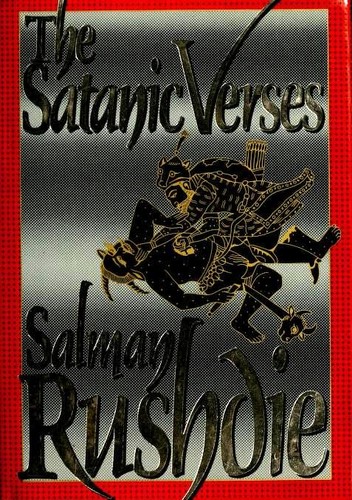
The Satanic Verses — Salman Rushdie
Identity is not fixed; it is a story we tell ourselves, and that story can be written and rewritten. Transformation is always possible, even if it comes with risks. It explores the fluidity of identity and belief, challenging rigid systems that cannot tolerate ambiguity and change.
Who it’s for. This book is for anyone who has been told their identity is a fixed, inherited thing they have no right to question.
What to do with it. The act of reimagining who you are — your beliefs, your origin story, your role — is not betrayal; it is the most human thing you can do.
Full page on “The Satanic Verses”: who it’s for and when to read it
7. Fahrenheit 451

Fahrenheit 451 — Ray Bradbury
A society that stops reading does not need governments to burn books; it will do it voluntarily, by choosing distraction over depth, comfort over truth, and entertainment over understanding. It serves as a powerful warning about the tyranny we choose for ourselves, slowly, pleasurably, one skipped page at a time, highlighting the importance of active reading and critical thought.
Who it’s for. Fahrenheit 451 is for everyone who knows they should read more, think more, and question more — but keeps choosing the easier option.
What to do with it. Every time you choose a deeper book over a faster distraction, you are making a political act.
Full page on “Fahrenheit 451”: who it’s for and when to read it
Not sure what order to read them in? Get The 1% Reading Path: 20 books in the exact order to read them, free PDF.