
Have you ever felt that your thoughts are a jumbled mess, far from the orderly narratives we often present to the world? James Joyce’s “Ulysses” plunges headfirst into this reality, compressing an entire human day into a novel that mirrors the non-linear flow of consciousness. It’s a profound exploration of every thought, desire, embarrassment, and epiphany that fills our minds.
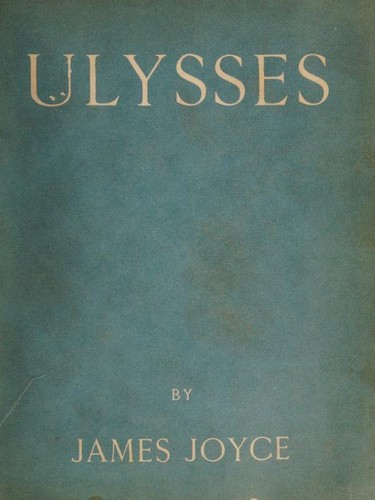
Ulysses — James Joyce
Joyce masterfully demonstrates that consciousness is anything but linear. He dismantles conventional storytelling to reflect the fragmented nature of human thought, showing how a single ordinary day, lived by an ordinary man, can contain the full depth of human experience if one is willing to look closely enough.
This novel offers a profound insight into the complex and often messy nature of human thought and experience. It suggests that our lives, no matter how seemingly small or ordinary, are rich tapestries of understanding, waiting to be recognized.
Who “Ulysses” is for
This book is for non-readers who want to understand the true nature of consciousness, beyond superficial explanations. It’s especially for anyone who has dismissed their own life as too small or too ordinary to matter, encouraging them to see its inherent richness. If you believe your daily existence lacks profound meaning, this book will challenge that perception. It is not for those seeking a straightforward plot or conventional narrative structure.
What you will get from “Ulysses”
Reading “Ulysses” will fundamentally change your perception of your own mind and daily life. You’ll learn that depth isn’t found in extraordinary events, but in the quality of attention you bring to ordinary ones. It encourages you to look closely at your own experiences, revealing the inherent richness in your everyday existence. You’ll gain a profound understanding that your life is already the material for deep insight, simply by observing your thoughts, desires, and epiphanies.
The idea that comes up most
The central idea that our videos emphasize is that consciousness is not linear. Anyone who claims their thinking is orderly is deceiving themselves. Joyce proves that our minds are a constant, complex stream of thoughts, desires, and experiences, reflecting the fragmented and non-linear nature of human thought.
The objections people raise about “Ulysses”
Some might object that the book is too dense or difficult to follow due to its unconventional style. The answer is that Joyce intentionally dismantled conventional storytelling to reflect the true, fragmented nature of human thought, which is precisely its profound insight. Another objection could be that it focuses on an ordinary day, but the response is that it reveals the full depth of human experience within that ordinariness, if you are willing to look closely enough.
When to read “Ulysses”
This book pays off most when you are feeling that your own life or experiences are too mundane to hold significant meaning. It’s ideal for moments when you need to be reminded that profound understanding is accessible in the everyday. It pairs well with a period of introspection, encouraging a deeper appreciation for the richness of your own consciousness.
Before you buy it
Expect a challenging but ultimately rewarding journey into the depths of human consciousness. Do not expect a traditional story with a clear plot or easy answers. This book will encourage you to see your own life with new eyes, revealing the profound in the ordinary, and proving that your consciousness is far more complex and interesting than you might have imagined.
Lists where we recommend “Ulysses”
Not sure what order to read them in? Get The 1% Reading Path: 20 books in the exact order to read them, free PDF.