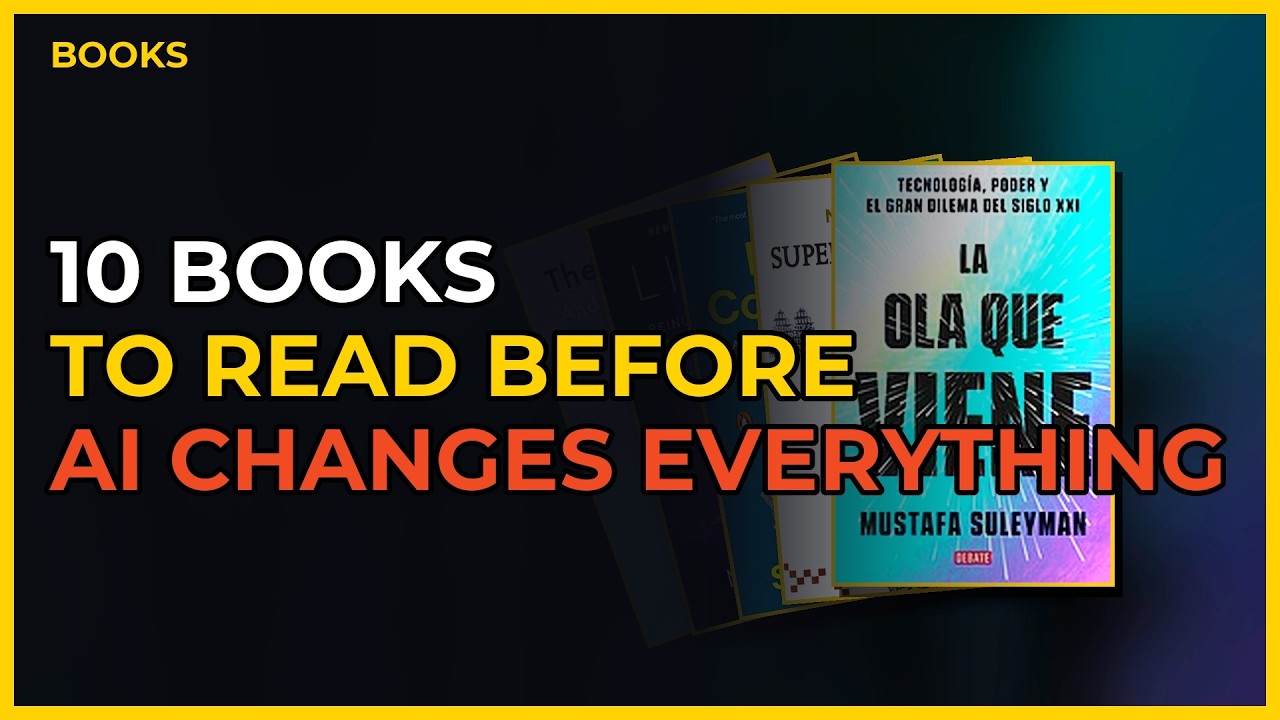
Prepare for a profound shift in understanding as you delve into ten essential books that illuminate the impending changes brought by artificial intelligence. These selections offer a comprehensive map of what’s coming, who is shaping it, and the potential implications for humanity, from practical daily adjustments to a complete re-evaluation of our future.
1. The Coming Wave

The Coming Wave — Mustafa Suleyman
Mustafa Suleyman, a co-founder of DeepMind, argues that once a technology wave like AI begins, it cannot be contained by governments, laws, or borders. He warns that AI systems, which he helped build, are poised to become the most transformative and potentially dangerous technology in human history. It provides a crucial wake-up call about the unstoppable nature of technological advancement and its far-reaching implications.
Who it’s for. This book is for anyone working in an industry that currently feels stable.
What to do with it. Understand that a technology wave, once started, cannot be stopped.
2. Superintelligence
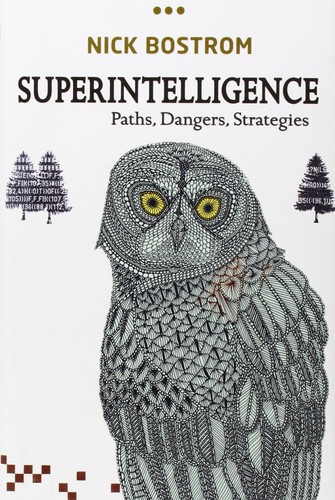
Superintelligence — Nick Bostrom
Nick Bostrom’s book is credited with initiating the mainstream discussion about existential AI risk. He posits that a machine smarter than humans will not remain under human control unless we proactively solve the problem of control before such intelligence arrives. It defines the critical challenge of AI safety and has been cited by prominent figures like Elon Musk and Bill Gates as essential reading.
Who it’s for. This book is essential reading for anyone concerned about the fundamental challenge of AI control.
What to do with it. Recognize the core problem of maintaining human control over superintelligent AI.
Full page on “Superintelligence”: who it’s for and when to read it
3. Human Compatible

Human Compatible — Stuart Russell
Stuart Russell, a highly cited AI researcher, proposes a fundamental redesign of AI goals. Instead of building machines that pursue fixed objectives, he argues for creating machines that are perpetually uncertain about what humans truly want. It offers a serious attempt at a solution to the AI control problem by redefining the foundational goals of AI design.
Who it’s for. This book is for those seeking a blueprint for designing safe AI systems.
What to do with it. Learn the blueprint for building AI systems that prioritize human safety through uncertainty.
4. Life 3.0

Life 3.0 — Max Tegmark
Max Tegmark, an MIT physicist, explores the concept of Life 3.0, where life forms design their own software and hardware. The book compels readers to consider numerous possible futures, from utopian scenarios to extinction, with an unsettling impartiality. It forces you to confront the profound implications of AI for the future of life itself, mapping out diverse outcomes without bias.
Who it’s for. This book is for anyone who wants to explore the full spectrum of potential futures with AI.
What to do with it. Contemplate the vast array of possible futures, from utopia to extinction, that AI could bring.
5. The Age of AI

The Age of AI — Henry Kissinger, Eric Schmidt & Daniel Huttenlocher
Co-authored by figures in diplomacy, technology, and academia, this book warns that AI will not only change what we can do but also fundamentally alter how we think and what we consider knowable. This represents a significant civilizational shift. It provides a top-down view from architects of modern power, highlighting the profound civilizational shift AI will bring.
Who it’s for. This book is for those who want to understand the civilizational impact of AI from the perspective of global power architects.
What to do with it. Grasp how AI will reshape human thought and our understanding of knowledge.
6. Co-Intelligence

Co-Intelligence — Ethan Mollick
Ethan Mollick, a Wharton professor, argues that individuals who thrive in the age of AI will be those who embrace it as a genuine thinking partner, rather than resisting it. He suggests starting every difficult problem by running it through AI first. It offers practical guidance on how to work effectively with AI, showing how to leverage it for personal and professional growth.
Who it’s for. This book is for anyone looking to integrate AI into their daily work and decision-making.
What to do with it. Treat AI as a thinking partner and use it to tackle difficult problems.
7. Nexus
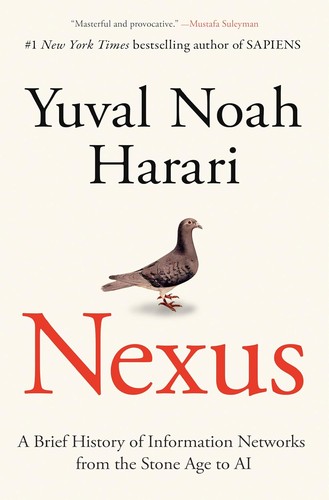
Nexus — Yuval Noah Harari
Yuval Noah Harari argues that AI is more than just a tool; it’s the first technology capable of making decisions and generating beliefs independently of human intent. He illustrates how every new information network throughout history has reshaped power, and AI will do so at an unprecedented speed. It reveals the historical pattern of how information networks transform power, demonstrating how AI breaks this pattern with its unique capabilities.
Who it’s for. This book is for those who want to understand the historical patterns of information networks and their impact on power.
What to do with it. Recognize AI as a new information network that will reshape power dynamics faster than ever before.
8. The Alignment Problem

The Alignment Problem — Brian Christian
Brian Christian explores the practical challenges of making AI systems align with human intentions, based on interviews with researchers. He highlights how frequently AI systems fail to do what humans intend, a problem already evident in hiring algorithms, medical systems, and content feeds. It exposes the non-theoretical nature of the alignment problem, showing how it is already causing issues in various critical systems.
Who it’s for. This book is for anyone interested in the technical failures of AI and their real-world consequences.
What to do with it. Understand the technical failures of AI and how they manifest in everyday systems.
9. Weapons of Math Destruction

Weapons of Math Destruction — Cathy O’Neil
Cathy O’Neil, a mathematician and data scientist, coined the term “Weapons of Math Destruction” to describe algorithms that cause harm to people quietly and at scale. She details how these algorithms impact loan applications, sentencing, insurance, and job screening. It explains the human cost of algorithmic failures, detailing how biased systems already impact individuals unfairly.
Who it’s for. This book is for anyone who has felt unfairly judged by a system and wants to understand why.
What to do with it. Identify how algorithms can cause widespread harm in various aspects of life.
10. Homo Deus
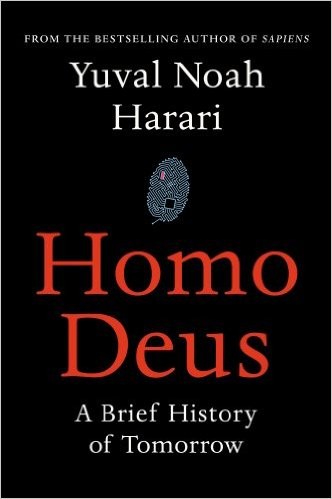
Homo Deus — Yuval Noah Harari
Yuval Noah Harari posits that as AI and biotechnology advance, humanity’s next major project will be to upgrade humans into gods. He suggests that most people alive today will become economically and politically irrelevant before this transformation occurs. It reframes all other discussions about AI, asking what the ultimate purpose of these advancements is and challenging conventional notions of human relevance.
Who it’s for. This book is for those willing to confront the most unsettling trajectory of humanity’s future with AI.
What to do with it. Contemplate the potential obsolescence of average humans as central actors in civilization.
Not sure what order to read them in? Get The 1% Reading Path: 20 books in the exact order to read them, free PDF.